
Hello Readers,
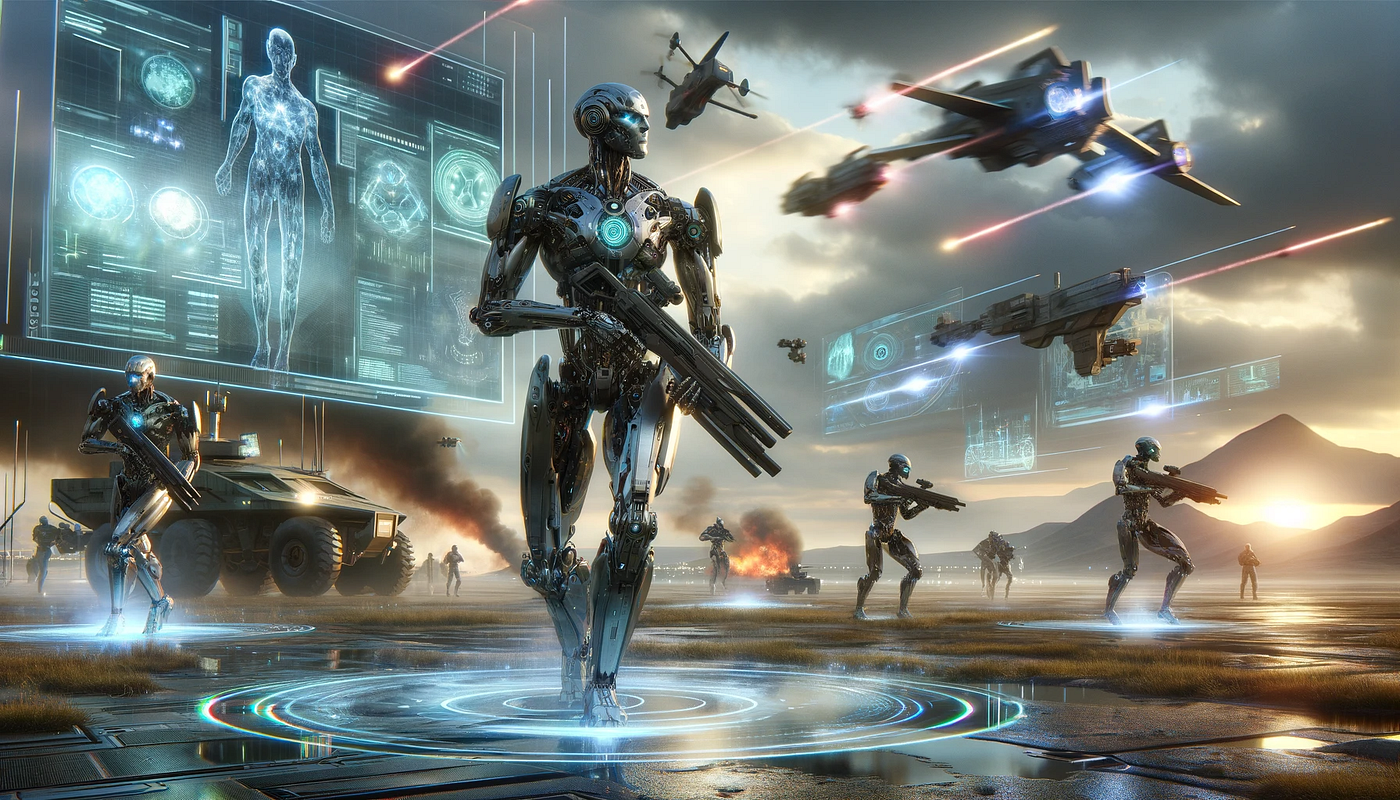
A new era of warfare has begun – one where algorithms, AI systems, and autonomous machines shape outcomes faster than humans can react. Modern conflicts across Ukraine, the Middle East, Africa, and the Indo-Pacific show a clear pattern: battles are no longer driven by hardware alone, but by software, automation, and data speed.
What’s Changing?
The military no longer uses the simple term drone. Instead, it recognizes the full Unmanned Aircraft System (UAS)—a network that includes the aircraft, ground control, sensors, data links, navigation tools, and operators. Variants include UAV, sUAS, UCAV, and C-UAS, each serving roles from surveillance to precision strikes. This shift shows that today’s war machines function as complete systems, not isolated flying devices.
The Rise of Algorithmic Warfare
AI now influences every step of the battlefield kill chain: target detection, ISR processing, autonomous flight, swarm coordination, electronic warfare response, and mission updates. What once took minutes now happens in seconds. In short- the fastest algorithm wins.
Why This Matters
Low-cost FPV drones are destroying multi-million-dollar tanks. Swarms can reorganize when jammed. Autonomous navigation works even without GPS. Nations are exporting drone doctrines, while counter-UAS systems struggle to keep up. The balance of power is shifting toward forces that master automation, not just firepower.
The Bigger Picture
This new battlespace demands rapid decisions, AI oversight, and new rules for digital conflict. The future of war is no longer about strength – it’s about speed, intelligence, and autonomy.
Compiled by Namrata Bhelsekar